Istanbul Day Tours
I’m Serious Day Tour Man AI, your day trip expert. Ask me anything — where to go, how to get there, and what’s actually worth your day.
Istanbul’s day trips leave from ferry piers, which is the first thing to understand about the city: the boats are the attraction, the transit system, and the escape hatch all at once. Car-free islands where electric buggies replaced the horse carriages, the Ottoman Empire’s first capital across the Marmara, and Black Sea fishing villages under lighthouse cliffs — all of it starts at the water.
The city block carries the mechanics visitors most often get wrong in the current era: how Hagia Sophia’s ticketed visit now works, what the Topkapı combined ticket covers, and why the lookalike ticket websites get a wide berth.
Here’s what’s worth a day, with real times and honest trade-offs.
Popular Day Trips
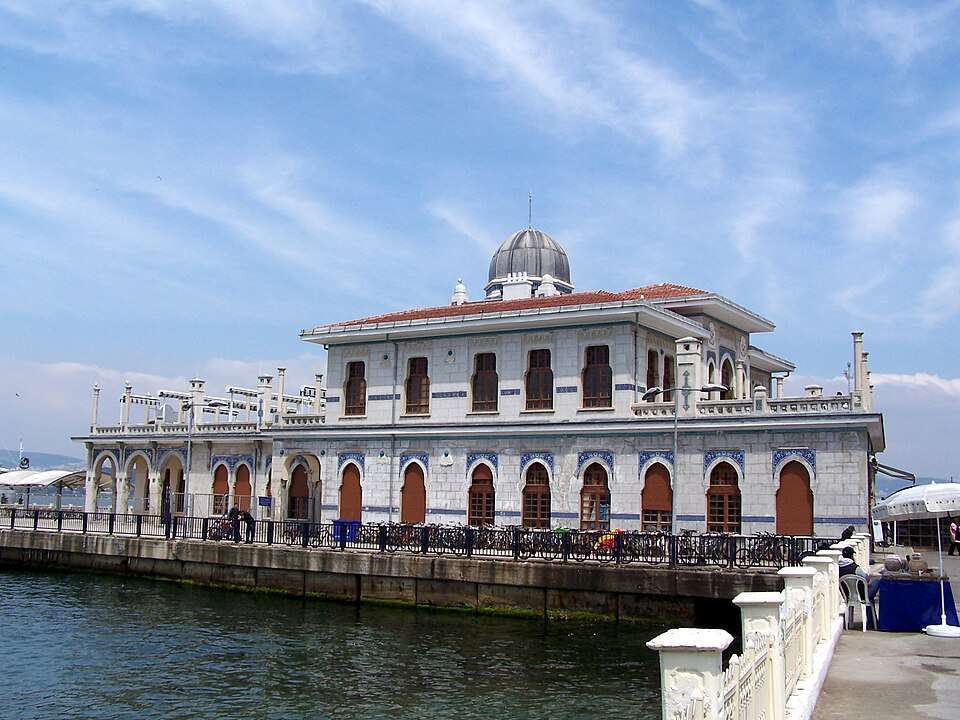
Princes’ Islands
The Slow Ferry, Car-Free Lanes
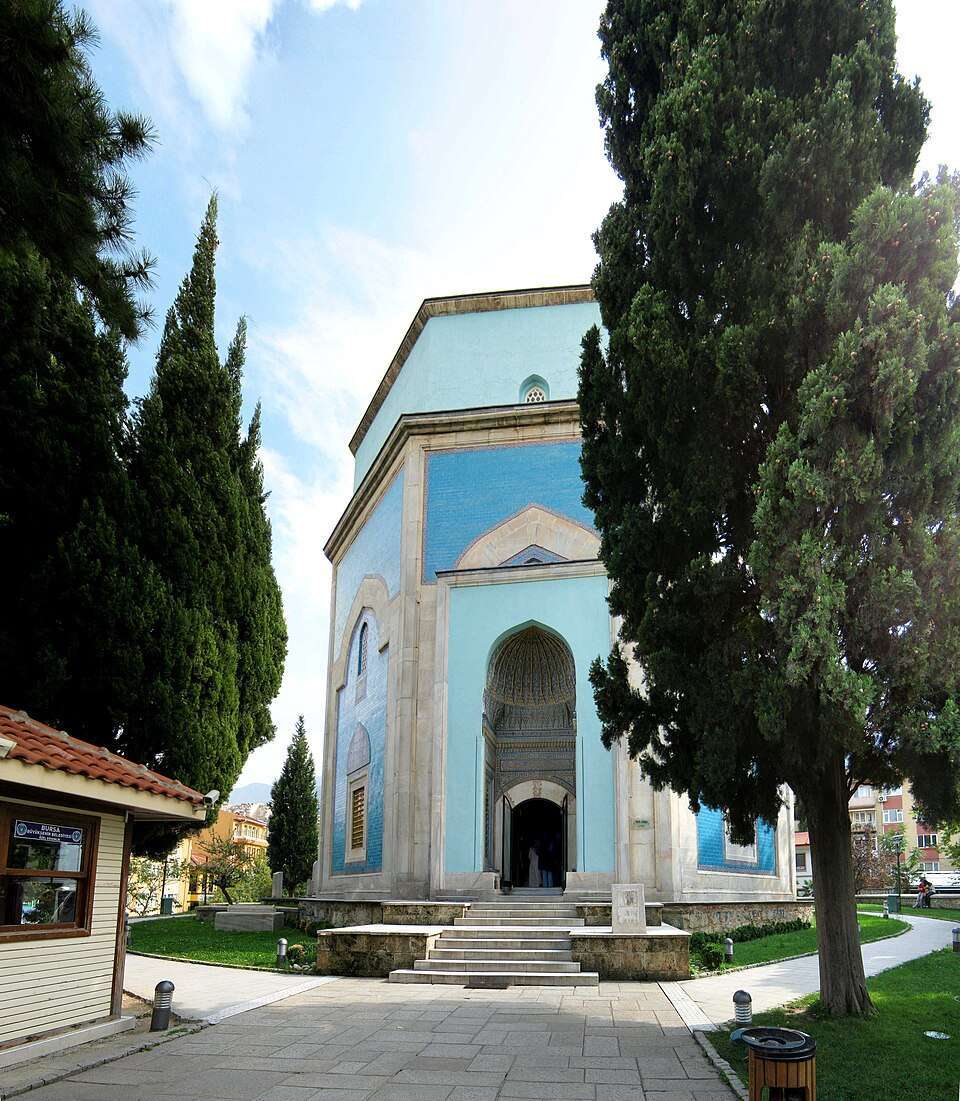
Bursa
The Three-Hour Arithmetic, the First Ottoman Capital
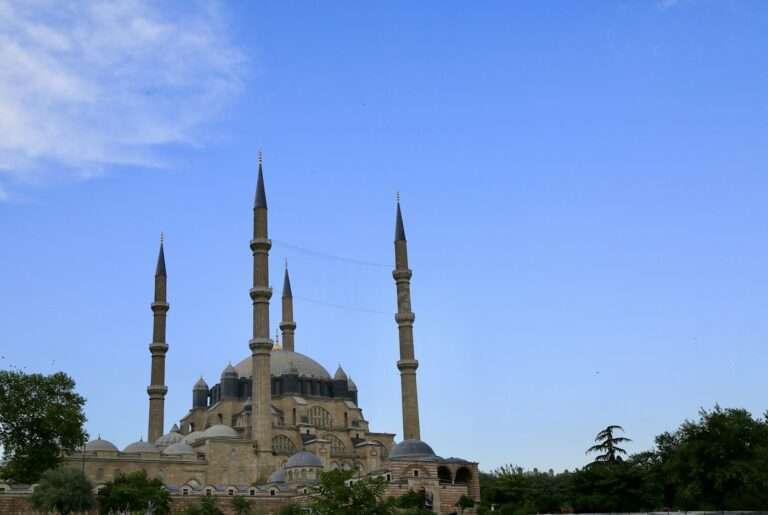
Edirne
The finest Ottoman dome, newly out of scaffolding
The Princes’ Islands — Car-Free on the Marmara
The classic escape runs from the Kabataş or Kadıköy piers on the Şehir Hatları city ferries — the cheap, scheduled, municipal boats — reaching Büyükada, the largest island, in around ninety minutes of Marmara crossing with the skyline receding behind. The islands’ defining fact: no cars, and since the horse-drawn phaetons were retired, the transport is electric minibuses, bikes, and feet.
Büyükada’s circuit: rent bikes near the pier or walk the pine-shaded lanes past the Ottoman-era wooden mansions — the island was the summer retreat of Istanbul’s Greek, Armenian, and Jewish grandees, and the architecture remembers — then climb (or ride the electric shuttle partway) to Aya Yorgi, the hilltop Greek Orthodox monastery whose terrace café serves the best cheap view in the region. Heybeliada, one stop earlier, runs quieter with its naval-academy waterfront and forest loops.
Three rules apply: summer weekends load the ferries and lanes by late morning — take the early boat out and a mid-afternoon return, or flip it for the sunset crossing home; the seafood lokantas by the piers price for the view (walk two streets back for honesty); and swimming happens from pay-beach platforms rather than open shores. Off-season the islands run moody and near-empty, which is their second personality and arguably the better one.
Read the full Princes’ Islands day-trip page.
The Bosphorus — The Full-Length Cruise
The strait needs a dedicated day, and the sort below separates the products. The short tourist loops from Eminönü give ninety scenic minutes; the full version is the Şehir Hatları long Bosphorus cruise — the municipal boat running the strait’s entire length to Anadolu Kavağı, the fishing village under the ruined Genoese castle at the Black Sea mouth, with a shore break for lunch and the castle climb before the return. Waterside palaces, the fortress walls of Rumeli Hisarı, and both bridges pass at deck-rail distance.
The DIY alternative locals prefer: ride the ordinary commuter ferries zigzagging the strait’s villages for pocket change — Beşiktaş to Üsküdar, up to Emirgan or Sarıyer by bus along the shore road — assembling the same scenery on your own schedule. Add Rumeli Hisarı’s climbable ramparts (the fortress Mehmet II built in months before the conquest) and the yalı-lined shore walks at Arnavutköy and Bebek.
The frame: bring the layer (the strait manufactures wind), sit portside going north for the European-shore palaces, and treat the fish-bread boats at Eminönü as the correct send-off. The Black Sea village lunch — fried fish, arm’s-length from the boats that caught it — is the day’s true destination.
Bursa — The First Capital
Across the Marmara, Bursa was the Ottoman capital before Constantinople fell, and the fast route is part of the trip: the ferry to Mudanya or Güzelyalı, then bus or metro into a city folded against the slopes of Uludağ. Allow two to two and a half hours each way and start early; this is the list’s most rewarding long day.
The Ottoman core: the Grand Mosque (Ulu Cami) with its twenty domes and forest of calligraphy, the Green Mosque and Green Tomb’s turquoise tilework across the valley, and the silk-trade Koza Han courtyard, still selling scarves under the plane trees as it has since 1491. The covered market rows around it out-authentic anything in Istanbul’s bazaar at half the pressure.
The mountain: Uludağ, the ancient Mysian Olympus, runs its long gondola from the city’s edge to alpine meadows — a genuine two-season mountain, with winter as Turkey’s busiest ski scene. The mandatory meal: İskender kebab was invented here, and eating it at the source — the döner over pide, drowned tableside in browned butter and tomato — settles the pilgrim question. The frame: mosques-and-market plus either mountain or long lunch; attempting all three rushes a city that shouldn’t be.
Read the full Bursa day-trip page.
Şile, Ağva & the Belgrad Forest — The Black Sea Exhale
The gentle north: Şile, ninety minutes from the Asian side, is Istanbul’s Black Sea beach town — the lighthouse on its cliff (among the region’s oldest and largest), the ruined Genoese castle islet, and long pale-sand beaches that run genuinely wild outside July–August. The town’s cotton weave, şile bezi, fills the shops; the clifftop fish restaurants handle lunch honestly.
Ağva, forty minutes further, is the quieter cousin between two rivers — riverside tea gardens, rowboat rentals under willow banks, and a pace that makes Şile look urban. The pairing is the standard circuit, and midweek visits get both nearly to themselves.
The forest alternative sits closer: the Belgrad Forest, the city’s oak-and-plane lung on the European side, loops walking and running trails around Ottoman-era reservoir dams — the aqueduct bends of Sinan’s water system surface here — with picnic clearings that fill with families on Sundays, which is either the point or the reason to come Tuesday. The frame: these are the recovery days — sea air or forest shade, minimal monuments — and the correct sequel to a mosque-dense itinerary. Swimmers respect the Black Sea’s flags and currents; locals do.
Edirne — The Honest Stretch
Two and a half hours northwest at the Greek-Bulgarian border, Edirne is the committed day trip and the connoisseur’s one: the empire’s capital before Istanbul, and the home of the building its own architect called his masterpiece — the Selimiye Mosque, Sinan’s late-life summit, whose dome out-spans Hagia Sophia’s and whose interior light does what seven centuries of architects had been attempting. It is UNESCO-listed, functioning, and alone worth the road.
The rest of the compact center: the Old Mosque’s giant calligraphy, the Üç Şerefeli’s early experiments, the bedesten markets, and the Meriç riverside promenade with its Ottoman bridges. The medical-history museum in the Beyazıt II complex — the fifteenth-century hospital that treated patients with music and water sound — is the sleeper highlight.
The calendar note: late June or early July brings Kırkpınar, the oil-wrestling festival run since the fourteenth century — the oldest continuously sanctioned sporting event anywhere — which converts the town entirely; attend deliberately or schedule around. The math: five hours of road round trip for four to five on the ground, best by early bus or car. Architecture-inclined travelers rate it among Turkey’s best days; box-tickers should take the Bosphorus instead.
Hagia Sophia Rules, the Bazaar & Istanbul Itself
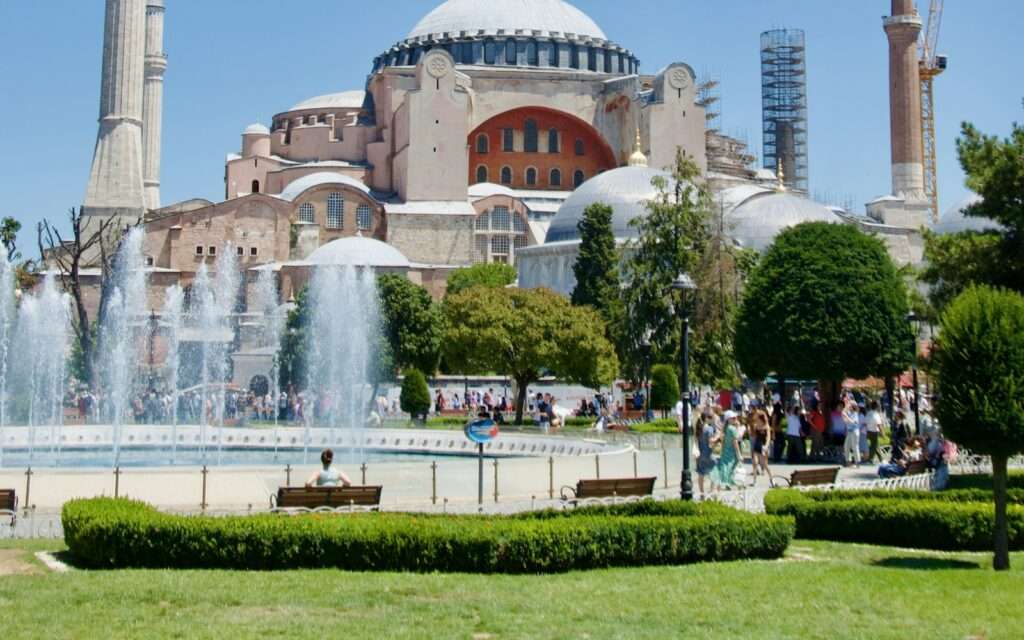
The current mechanics, because they changed and the internet hasn’t caught up: Hagia Sophia now runs a ticketed tourist visit (around €25) via the dedicated tourist entrance on the northeast side by the Topkapı gate — tourists visit the upper gallery while the ground floor serves worshippers, the Museum Pass does not cover it, Friday midday closes to visitors for prayers, and mosque dress rules apply (shoulders and knees covered, headscarves for women, shoes off). One warning stated plainly: lookalike “official” ticket websites blanket the search results for every Sultanahmet sight — book through the on-site desks, the government muze.gen.tr system, or established platforms, and treat any domain that isn’t clearly official with suspicion.
The rest of the peninsula: Topkapı Palace’s combined ticket bundles the palace, Harem, and Hagia Irene — the Harem is the half everyone regrets skipping — while the Blue Mosque remains free outside prayer times, the Basilica Cistern sells timed entry to its column forest, and Dolmabahçe Palace up the shore (the sultans’ crystal-staircase finale, run by the National Palaces directorate) books via millisaraylar.gov.tr. Süleymaniye, Sinan’s Istanbul masterwork, offers the crowd-free grandeur and the terrace view.
The living city: the Grand Bazaar’s rules (drink the offered çay without obligation, haggle with humor or not at all, and know the exit you entered), the Spice Bazaar’s saturation, Karaköy-to-Galata’s café climb, and the hamam sort — the restored historic baths run the full-ceremony splurge, the neighborhood hamams run the real thing at a fraction. Eat the fish-bread at the water, the simit from the red carts, and one long meyhane night of meze on the Asian side, where Kadıköy’s market streets out-eat the tourist shore. Season math: April–June and September–October are the windows (tulip season in April is the city’s own festival); July–August runs hot and dense; Ramadan reshapes rhythms gently and beautifully — the iftar cannon and Sultanahmet’s night crowds are worth witnessing on purpose.
Frequently Asked Questions
How does visiting Hagia Sophia work now?
Tourist visits are ticketed (about €25) through the northeast entrance by the Topkapı gate — upper gallery for visitors, ground floor for worship, Friday midday closed for prayers, mosque dress rules enforced. The Museum Pass doesn’t cover it, and lookalike ticket sites should be treated with suspicion.
Which Princes’ Island should you choose?
Büyükada for the full classic — wooden mansions, bike lanes, the Aya Yorgi hilltop view; Heybeliada for the quieter version one stop early. Take the early Şehir Hatları ferry out and beat the weekend crush both directions.
What’s the best Bosphorus cruise?
The municipal Şehir Hatları long cruise to Anadolu Kavağı — the full strait, a village lunch under the Genoese castle, and the return light. The commuter-ferry DIY version assembles the same scenery for pocket change.
Is Bursa doable in a day from Istanbul?
Yes, as a committed one: two to two and a half hours each way by ferry-plus-bus for the Grand Mosque, the Green Tomb, Koza Han’s silk courtyard, and İskender kebab at its birthplace. Pick mosques-plus-market or the Uludağ gondola; not all three.
Is Edirne worth the distance?
For architecture, absolutely — Sinan’s Selimiye is the masterpiece he said it was, and the town packs the rest into a walkable core. Five hours of road round trip; late June’s Kırkpınar oil wrestling either makes the trip or reroutes it.